Objectives and policy
Since 2018, the museum has been called Design Museum Den Bosch and its objective is to highlight, discuss and utilise the cultural significance of design, collecting and presenting 20th and 21st century design and linking the history, current events and future-oriented quality of design.
The museum is interested in the cultural debate on design and the important place of design in society. The ceramics and jewellery collections are also being supplemented retrospectively. Since 2017, Design Museum Den Bosch has a new collection area: posthuman.
Programming
Design Museum Den Bosch organises an average of 15 larger exhibitions and smaller presentations on design each year. These are always accompanied by a programme of lectures, discussion meetings and film screenings. Design Museum Den Bosch has a large exhibition hall (hall 1, 700 m²), a medium-sized exhibition hall with natural light (hall 2, 450 m²) and a small presentation room (hall 3). The museum has its own large storage facility in the basement of the building and rents additional storage space at external locations. The museum houses an education studio, a restoration room, a large shop and a brasserie.
History
Between 1985 and 2016, the predecessors of the Design Museum Den Bosch (the Kruithuis and the Stedelijk Museum ‘s-Hertogenbosch) organised exhibitions on post-war and contemporary design and visual arts. Staff, objectives and programming originated from the Municipal Exhibitions Service, which was founded by the Academy of Fine Arts ‘s-Hertogenbosch and had been collecting ceramics and posters since 1955. During the 1980s and 1990s, part of the poster collection was sold and part was transferred to the City Archives (Heritage) “s-Hertogenbosch. The educational ceramics collection grew into an international collection of modern (artists”) ceramics. In 1989, the museum staff added post-war and contemporary jewellery as an important area of collection.


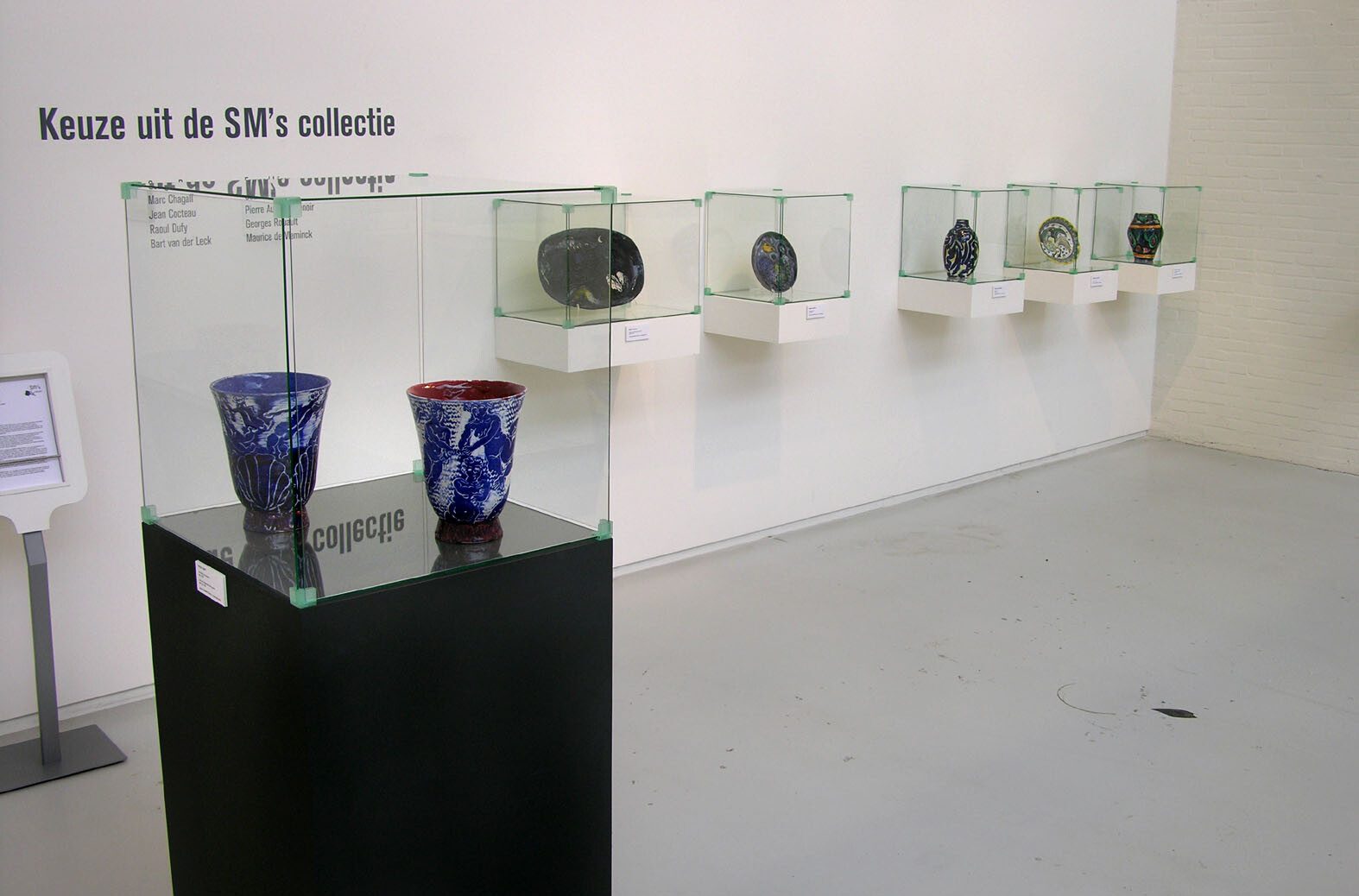
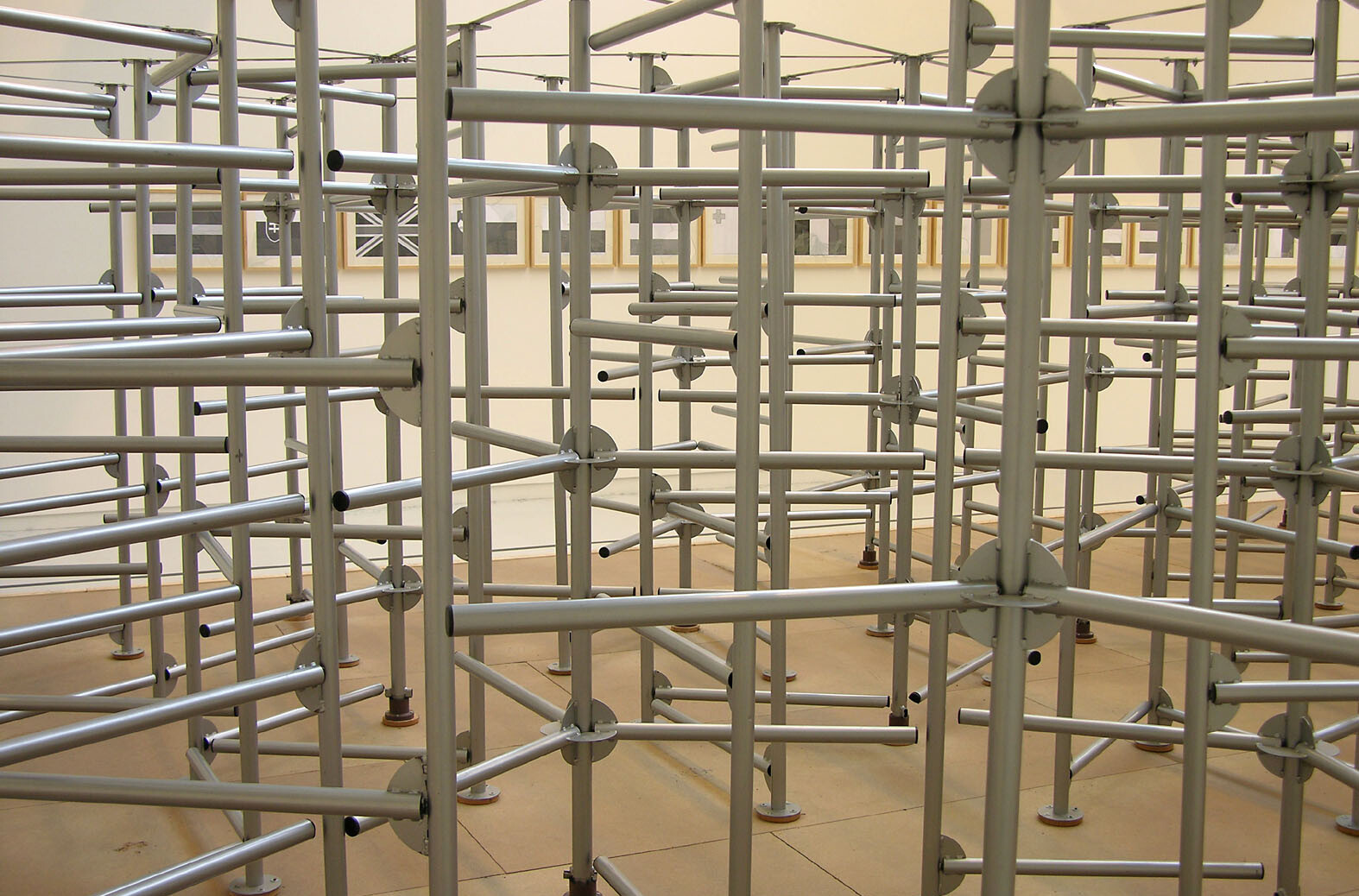

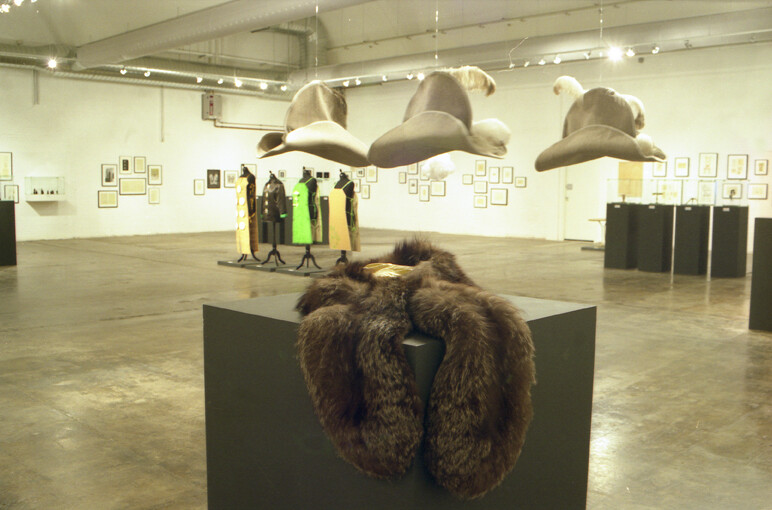

Since 2013, the Stedelijk Museum ‘s-Hertogenbosch had been located in a new building in the Museum Quarter in the historic heart of the city. Until 2016, the museum offered a diverse range of contemporary visual art and design. At the same time, its collection of ceramics and jewellery is of international calibre and renown. In the spring of 2016, the Supervisory Board and management decided to focus the Stedelijk Museum ‘s-Hertogenbosch on design and become Design Museum Den Bosch. The collection, with its most important components being post-war ceramics and modern jewellery, together with the public response to the design exhibitions that (the predecessors of) the museum organised for almost three decades, are the main arguments for the museum’s new design focus.